
.jpg)
Why Plant ID Skills Are Important
Because humans need plants, and plants need humans. For us to begin caring for each other in a way that feels whole, we need to understand each other. This mini-course is designed to not only introduce you to concepts - but hopefully provides a little breadcrumb trail for you to introduce yourself to the plant people in person.
What the Mini - Course Covers
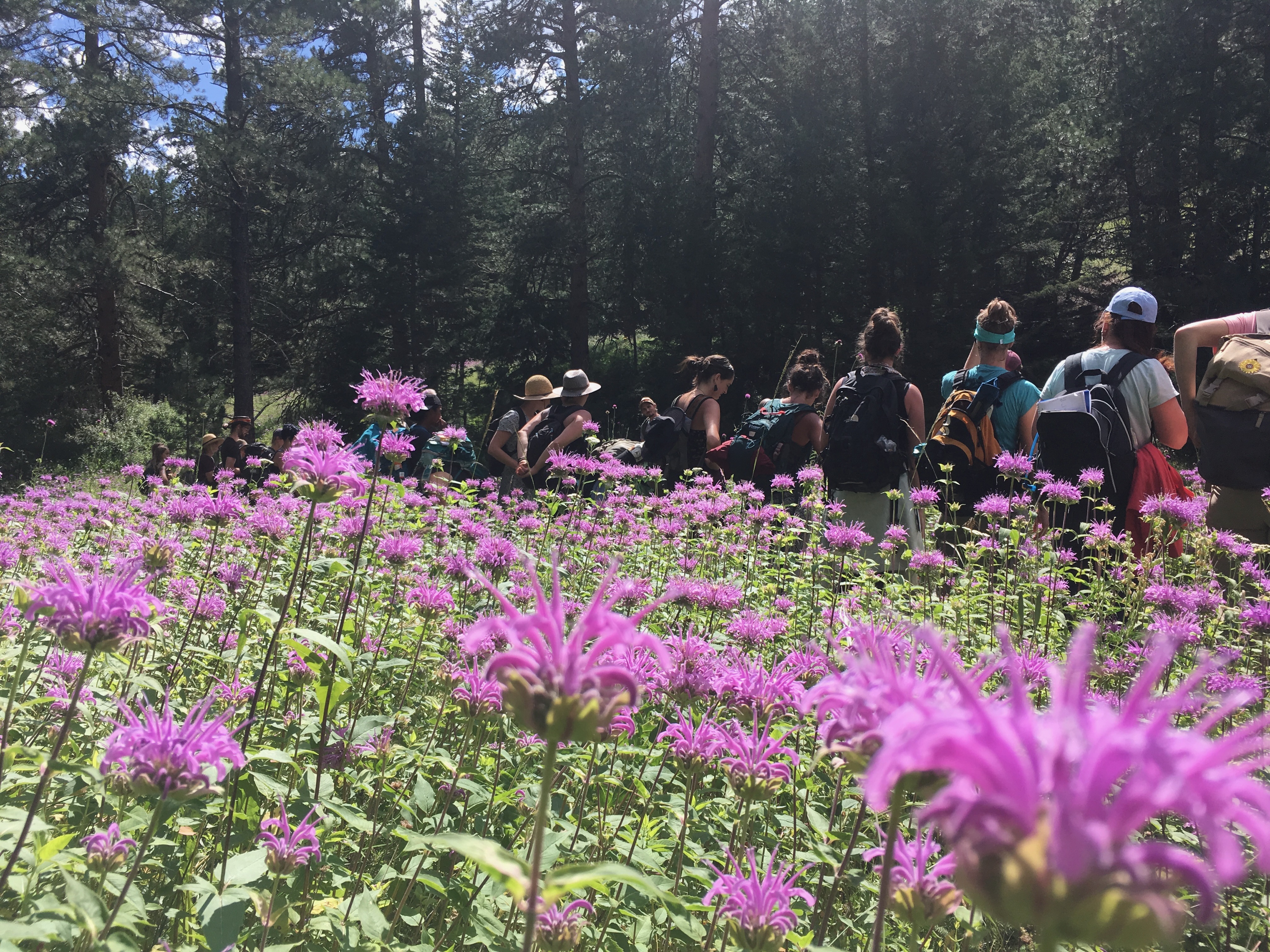
- Botanical terminology - Plant Family Patterns - Major Poisonous Plants - Intro to Wild Crafting Ethics
Course Access
Once you sign up for the course, you'll have access to the content for a year.
The Mini Syllabus
-
1
Introduction to Botany
-
(Included in full purchase)
Botany vs Plant ID
-
(Included in full purchase)
Botany Resources
-
(Included in full purchase)
Course Introduction
-
(Included in full purchase)
-
2
Botanical Classifications
-
(Included in full purchase)
Introduction to Botanical Language
-
(Included in full purchase)
Plant Classification Part 3: Plant Families
-
(Included in full purchase)
Plant Classification Part 5: Latin Binomials and Common Names
-
(Included in full purchase)
-
3
Botanical Terminology
-
(Included in full purchase)
Organoleptics, the Human Senses and Plant ID
-
(Included in full purchase)
Plant Habits I
-
(Included in full purchase)
Leaves I - Basic Anatomy
-
(Included in full purchase)
Leaves IV - Leaf Arrangement
-
(Included in full purchase)
Leaves V - Leaf Shapes, Simple vs. Compound Leaves
-
(Included in full purchase)
Flower Anatomy I: Intro to 4 Whorls, Sepals and Petals
-
(Included in full purchase)
Flower Anatomy III: Reproductive Structures - Stamen and Ovaries (Pistils)
-
(Included in full purchase)
Flower Anatomy V: Fruits
-
(Included in full purchase)
Inflorescences (Flower Arrangement) I: Intro to Inflorescences
-
(Included in full purchase)
-
4
Plant Families: Edible, Medicinal, and Poisonous
-
(Included in full purchase)
Introduction to Plant Families
-
(Included in full purchase)
Asteraceae - Sunflower Family Characteristics
-
(Included in full purchase)
Apiaceae - Carrot Family Characteristics
-
(Included in full purchase)
Apocynaceae - Dogbane Family Characteristics
-
(Included in full purchase)
Lamiaceae - Mint Family Characteristics
-
(Included in full purchase)
Melanthiaceae - Bunchflower Family Characteristics
-
(Included in full purchase)
Pinaceae - Pine Family Characteristics
-
(Included in full purchase)
Ranunculaceae - Buttercup Family Characteristics
-
(Included in full purchase)
-
5
Wildcrafting Ethics; How to Cultivate Relationship
-
(Included in full purchase)
Introduction to Wildcrafting Ethics, Locations, and Permission
-
(Included in full purchase)
Fragile Ecosystems, Plants, and Curbing your Herb Lust
-
(Included in full purchase)
Wildcrafting and Accurate Identification Practices
-
(Included in full purchase)
Creating a Wildcrafting Checklist - What Questions to Ask Before Harvesting
-
(Included in full purchase)
About Kat
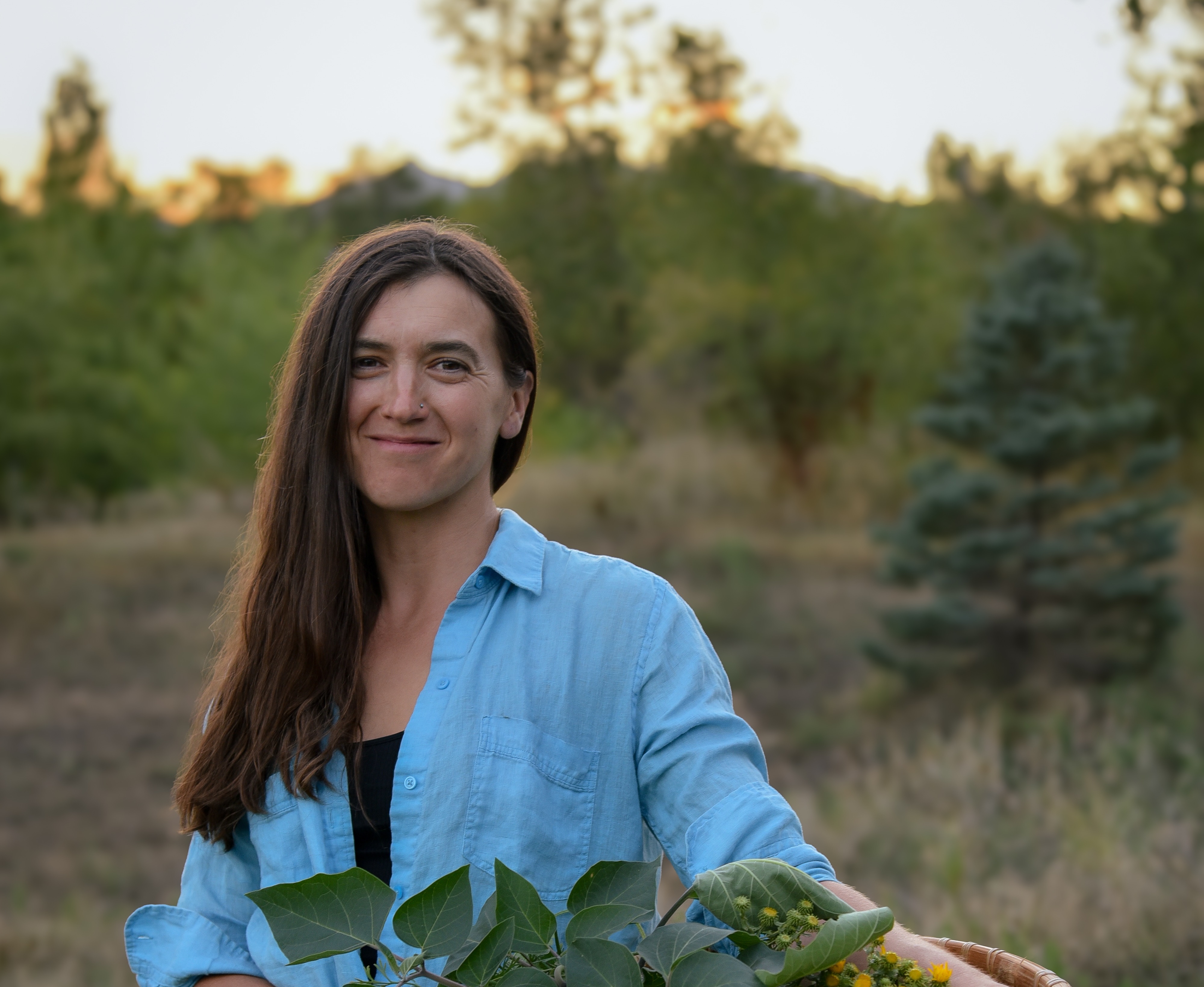
Most of my work in the herb world is as a teacher and a clinician, and I approach both of those things from a Vitalist perspective. This means I'm always looking for the root cause of disease. One of the things I strongly believe humans need is a connection with land and place - without it, something in us begins to weaken. For me, one of the most powerful ways to connect with my landscape is by understanding the life around me, especially the food and medicine plants. My experience with plant identification started with learning from my mother and grandmother, a horticulturist and a farmer, respectively. As a forestry major at Northern Arizona University, I was introduced to the more technical botanical language and ecological studies and got hooked. I've had the privilege of teaching botany through several programs, including directing the Rocky Mountain Field Botany program through the Colorado School of Clinical Herbalism. After teaching botany for almost 2 decades, I'm so excited to share these skills with you!
Ready to Dive Into Botany?
This class is free of charge - I can't give away all of my content for free, but I can give some. Please share this with anyone you know who would benefit from the liberation and comfort that comes with understanding the plant people!